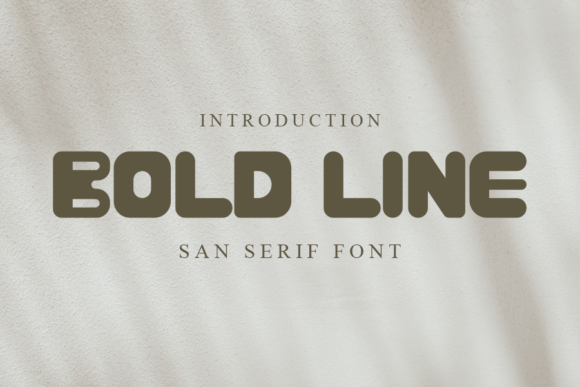
Bold Line: A Unique Display Font for Modern Branding and Creative Projects
Bold Line is a unique display font that stands out in the crowded world of typography. Designed with a clean aesthetic and a touch of quirkiness, it offers versatility for a wide range of applications—from logos and branding to social media posts and DIY craft projects. Its distinct style makes it an appealing choice for those looking to add personality to their visual content without sacrificing readability.
What Makes Bold Line Distinct?
Bold Line’s defining feature is its balance between simplicity and character. Unlike many display fonts that lean heavily into ornate or overly stylized designs, Bold Line maintains a clean structure while introducing subtle quirks in its letterforms. This combination allows it to be both eye-catching and easy to read at larger sizes.
The font’s geometric shapes and consistent stroke widths give it a modern feel, making it suitable for contemporary branding. However, the slight irregularities in some characters—like the curve of an "S" or the angle of a "V"—add a playful element that sets it apart from more traditional sans-serif or serif fonts.
Bold Line is also highly adaptable. It works well in both digital and print formats, and its scalability ensures it remains legible across different mediums. Whether used for a website header, a product label, or a hand-painted sign, the font retains its clarity and impact.
How Does Bold Line Compare to Similar Fonts?
When evaluating display fonts, it's important to consider how they align with specific design goals. Bold Line shares similarities with other modern display fonts like Montserrat, Bebas Neue, and Raleway, but it has a more distinctive character that can make it stand out in the right context.
For example, Montserrat is a popular choice for web design due to its clean lines and strong presence. While it offers a similar level of professionalism, Bold Line adds a layer of individuality that can help a brand or project feel more unique. Similarly, Bebas Neue is known for its bold weight and high contrast, but it lacks the subtle quirks that make Bold Line more engaging in certain creative contexts.
In comparison to more decorative display fonts like Pacifico or Great Vibes, Bold Line strikes a middle ground. It doesn’t have the same level of embellishment, which makes it more versatile for professional use, yet it still carries enough personality to avoid feeling too generic.
One of the key tradeoffs when choosing Bold Line over other fonts is its limited use in body text. Like most display fonts, it isn't optimized for long-form reading. For this reason, it's best suited for headlines, titles, and short bursts of text rather than large blocks of content.
Best-Fit Situations for Using Bold Line
Bold Line is particularly well-suited for projects where a strong visual identity is essential. Here are some common scenarios where it shines:
- Logo Design: The font’s clean yet quirky nature makes it ideal for logos that need to convey both professionalism and approachability. It works especially well for brands targeting younger audiences or those with a creative, artisanal focus.
- Social Media Graphics: When creating eye-catching social media posts, Bold Line can help draw attention to key messages or calls to action. Its bold weight and distinctive letterforms make it stand out against busy backgrounds.
- Crafty DIY Projects: From handmade cards to custom signage, Bold Line adds a stylish touch to DIY creations. Its playful elements can enhance the charm of handmade items without overwhelming the overall design.
- Branding Materials: Business cards, packaging, and promotional materials benefit from the font’s ability to communicate a brand’s personality quickly and effectively.
However, there are situations where Bold Line may not be the best choice. For instance, if a project requires a more traditional or conservative look, a serif font like Georgia or Times New Roman might be more appropriate. Similarly, for content that relies on readability over style, a standard sans-serif font like Arial or Helvetica would be better suited.
Evaluating Alternatives and Decision Factors
Before committing to Bold Line, it’s worth considering alternatives that might better suit your needs. For example, if you’re looking for something more minimalist, a font like Lato or Open Sans could provide a cleaner, more neutral appearance. If you want a bolder, more dramatic effect, fonts like Impact or Bangers might be more fitting.
Another factor to consider is licensing. Many free fonts come with restrictions on commercial use, so it’s important to check the terms before using Bold Line for a professional project. Some premium fonts offer more flexibility in terms of usage rights and support, which can be valuable for businesses or designers working on client projects.
Additionally, compatibility with different platforms and software should be taken into account. While Bold Line is likely available in standard font formats like TTF and OTF, it’s always a good idea to verify that it works seamlessly with the tools you plan to use, such as Adobe Illustrator, Photoshop, or Canva.
Ultimately, the decision to use Bold Line depends on your specific design goals and the message you want to convey. If you're aiming for a fresh, modern look with a touch of personality, Bold Line could be an excellent choice. However, if you need a font that prioritizes neutrality or has broader typographic versatility, you may want to explore other options.
Practical Examples of Bold Line in Action
To get a clearer sense of how Bold Line performs in real-world scenarios, consider the following examples:
Example 1: Logo Design
A boutique coffee shop looking to establish a youthful, creative brand might use Bold Line for its logo. The font’s clean lines and subtle quirks reflect the shop’s personality—modern yet welcoming. Paired with a warm color palette, the logo becomes memorable and visually appealing.
Example 2: Social Media Posts
For a fitness influencer promoting a new workout challenge, Bold Line can be used in the post title to grab attention. The font’s boldness helps the headline stand out among other content, making it more likely to be noticed by followers.
Example 3: Handmade Crafts
A DIY enthusiast creating custom greeting cards might choose Bold Line for the card titles. The font’s playful yet clean style complements the handmade nature of the cards, adding a professional finish without overshadowing the personal touch.
Example 4: Packaging Design
A small skincare brand launching a new line of products could use Bold Line for the packaging labels. The font’s modern aesthetic aligns with the brand’s eco-friendly and innovative image, helping to create a cohesive visual identity across all marketing materials.
These examples illustrate how Bold Line can be tailored to different contexts while maintaining its core strengths. However, they also highlight the importance of matching the font to the project’s tone and purpose.
Conclusion
Bold Line is a versatile display font that combines clean design with a touch of individuality. Its unique character makes it a great option for logos, branding, and creative projects where a distinctive visual style is desired. While it may not be the best fit for every situation, it offers a compelling alternative to more conventional fonts when the goal is to stand out in a meaningful way.