Classy Pen: A Stylish Display Font for School-Themed Crafting Projects
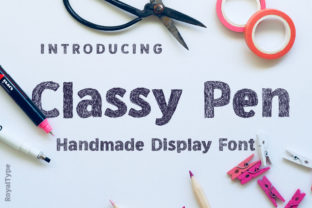
Classy Pen is a cool display font that brings a unique scratch-style aesthetic to any design. Its clean yet textured look makes it ideal for school-themed crafting projects, branding, and creative outputs that require both visual appeal and readability. Whether you're designing classroom materials, creating DIY decor, or working on educational content, Classy Pen adds a touch of personality without compromising clarity.
Understanding the Design and Use Cases of Classy Pen
The scratch-style effect of Classy Pen gives it a handcrafted feel, making it stand out from more conventional sans-serif or serif fonts. This font works well in situations where you want to evoke creativity, nostalgia, or a personal touch. It's especially effective when used in contexts like school supplies, teacher appreciation items, or student-led projects.
Classy Pen can be used as a primary font for headlines, titles, or key phrases in your project. Its distinctiveness ensures that important text stands out while maintaining a cohesive visual style. When paired with simpler fonts for body text, it creates a balanced and professional appearance.
Integrating Classy Pen into Your Workflow
Incorporating Classy Pen into your workflow starts with understanding where it fits best. For example, if you're designing a classroom poster, using Classy Pen for the title will immediately draw attention. If you're working on digital assets such as social media graphics or website headers, this font adds a polished and artistic edge.
Before starting a project, consider how Classy Pen interacts with other elements. Does it complement your color scheme? Will it remain legible at different sizes? These are practical questions that help ensure the font enhances rather than distracts from your overall design.
- Pre-Project Planning: Choose Classy Pen early in your design process to maintain consistency across all materials.
- During Execution: Apply the font to key elements like headings, logos, or labels to highlight important information.
- Post-Completion Review: Check that the font remains readable and visually appealing across different platforms and devices.
Practical Implementation Tips
To make the most of Classy Pen, start by downloading it from a trusted source. Once installed, test it in various applications—such as graphic design software, word processors, or web development tools—to see how it performs in different contexts.
One practical tip is to pair Classy Pen with complementary fonts. For instance, using a simple sans-serif font for body text allows the scratch-style headline to shine without overwhelming the reader. This combination is particularly useful for school-themed projects that require both visual interest and readability.
When working digitally, ensure that the font is compatible with your platform. Some online tools may not support custom fonts, so it's wise to verify compatibility before finalizing your design. Additionally, always keep a backup version of your work in case of font rendering issues.
Workflow Examples for Using Classy Pen
Let’s say you're creating a set of printable flashcards for students. Using Classy Pen for the question prompts or topic headers adds a fun and engaging element. This not only makes the cards more visually appealing but also helps in reinforcing the theme of the learning activity.
If you're designing a classroom calendar, Classy Pen can be used for month names or special event titles. This approach keeps the layout consistent while adding a unique stylistic touch that aligns with the school environment.
For digital marketing campaigns targeting educators or students, incorporating Classy Pen into email headers or social media posts can create a cohesive brand identity. The font's distinctive look helps your message stand out in a crowded digital space.
Ensuring Quality and Consistency
Consistency is key when using any font, especially one as distinctive as Classy Pen. To maintain quality across multiple projects, create a style guide that outlines how and where the font should be used. This guide can include examples, spacing recommendations, and pairing suggestions.
Another consideration is ensuring that the font remains legible at smaller sizes. While Classy Pen is excellent for headlines, it may not be suitable for long paragraphs or small text. Always test the font at different sizes and resolutions before finalizing your design.
For long-term use, store your font files in an organized manner. Keeping them in a dedicated folder with clear naming conventions makes it easier to locate and apply the font when needed. This is especially helpful for professionals who work on multiple projects simultaneously.
Enhancing Creativity with Classy Pen
Classy Pen isn't just a font—it's a creative tool that can elevate your designs. By using it strategically, you can add character to your work while maintaining a professional finish. Whether you're a teacher, designer, marketer, or hobbyist, this font offers versatility and style that can enhance your projects.
Experiment with different layouts and color combinations to find what works best for your specific needs. Remember, the goal is to use Classy Pen in a way that supports your message and enhances the user experience. Avoid overusing the font; instead, reserve it for key elements that benefit most from its unique style.
Finally, don’t be afraid to seek feedback from others. Testing your designs with colleagues, students, or clients can provide valuable insights into how effective your use of Classy Pen is. This iterative approach helps refine your workflow and ensures that your final output meets your expectations.