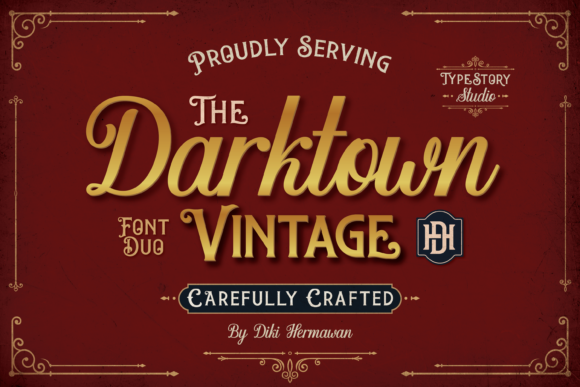
Darktown: A Strategic Font for Branding and Creative Expression
Darktown is more than just a vintage display font—it’s a powerful tool for creators, entrepreneurs, and professionals who want to make a strong visual impact. With its bold, retro aesthetic and two distinct styles, Darktown offers versatility that aligns with modern design needs. Whether you're crafting a logo, designing a poster, or building a brand identity, understanding how to use Darktown strategically can elevate your work and support your goals in meaningful ways.
Understanding Darktown: More Than Just a Font
Darktown is a vintage display font that draws inspiration from classic typography styles. It features two primary styles—each designed to serve different purposes while maintaining a cohesive visual language. The first style is characterized by its thick, blocky letterforms, making it ideal for headlines and attention-grabbing text. The second style is slightly more refined, offering a balance between retro charm and readability.
What sets Darktown apart is its ability to evoke nostalgia while remaining relevant in today’s design landscape. This duality makes it a valuable asset for those looking to create a sense of heritage or authenticity in their branding or creative projects.
Strategic Use of Darktown: Aligning with Goals and Objectives
The effectiveness of any design element, including fonts like Darktown, depends on how well it aligns with the broader goals of a project or brand. When used thoughtfully, Darktown can support strategic objectives such as:
- Branding consistency: Creating a visual identity that resonates with your audience.
- Message clarity: Ensuring that your communication is both impactful and legible.
- Emotional engagement: Evoking a specific mood or sentiment through typography.
- Visual hierarchy: Guiding the viewer’s eye and emphasizing key content.
For instance, a small business owner launching a vintage-themed café might use Darktown in their logo and signage to reinforce the brand’s retro aesthetic. Similarly, an educator creating educational materials could leverage Darktown’s bold style to highlight key concepts or headings, making information more digestible.
When to Use Darktown: Context Matters
While Darktown is versatile, its application should be guided by context and purpose. Consider the following scenarios where it shines:
- Posters and flyers: Its large, bold letterforms are perfect for capturing attention at a glance.
- Logos and branding: The font’s retro appeal can help establish a unique brand voice.
- Packaging design: Darktown adds character to product labels, especially in niche markets like craft beer or artisanal goods.
- Marketing collateral: Used sparingly in headlines or taglines to add visual interest without overwhelming the reader.
However, it’s important to recognize when Darktown may not be the best choice. For example, in situations requiring high readability, such as body text in a website or document, Darktown’s stylized forms may not be suitable. Always consider the target audience and the functional purpose of the design before committing to a font.
Practical Tips for Using Darktown Effectively
Using Darktown effectively requires intentionality and planning. Here are some practical tips to help you make the most of this font:
- Start with a clear objective: Define what you want to achieve with your design. Is it to stand out, communicate a message, or evoke a feeling?
- Test different styles: Experiment with both versions of Darktown to see which one best fits your vision.
- Balance with other elements: Pair Darktown with complementary fonts or design elements to maintain visual harmony.
- Consider the medium: How will the design be used? Will it be printed, digital, or both? Adjust accordingly.
- Use it strategically: Apply Darktown selectively rather than across entire documents or pages.
By approaching Darktown with a strategic mindset, you can ensure that it enhances rather than detracts from your overall design.
Risks of Misusing Darktown
Like any design tool, Darktown carries risks if used without careful consideration. One of the most common pitfalls is using it randomly or without purpose. This can lead to:
- Visual clutter: Overuse of a bold, stylized font can overwhelm the reader and dilute the message.
- Brand confusion: Inconsistent application of Darktown may weaken brand recognition.
- Reduced readability
- Missed opportunities: Failing to align the font with the project’s goals can result in suboptimal outcomes.
To avoid these risks, always evaluate whether Darktown supports your goals and whether its use is justified in the given context.
Long-Term Value of Darktown in Design Strategy
Darktown’s long-term value lies in its ability to contribute to consistent, memorable design outcomes. When integrated into a broader strategy, it can support long-term goals such as:
- Building brand equity: Establishing a strong, recognizable visual identity that resonates with customers.
- Enhancing user experience: Creating designs that are both aesthetically pleasing and functionally effective.
- Supporting marketing efforts: Reinforcing messaging and emotional connections through thoughtful typography.
- Driving engagement: Capturing attention and encouraging interaction through visually compelling content.
For businesses and creators focused on long-term success, investing in tools like Darktown can provide a competitive edge. By aligning typography with strategy, you create a foundation for sustained impact and growth.
Conclusion: Making Better Decisions with Darktown
Darktown is more than a font—it’s a strategic asset that can enhance your design work and support your goals. When used intentionally, it can elevate branding, improve communication, and create lasting impressions. However, its effectiveness depends on thoughtful application, clear objectives, and a deep understanding of its strengths and limitations.
Whether you’re a designer, marketer, entrepreneur, or creator, taking the time to plan and execute your use of Darktown can lead to better results. By focusing on purpose, context, and alignment, you ensure that every design decision contributes meaningfully to your overall strategy.