Gormet: A Playful Font for Brightening Kids’ Projects
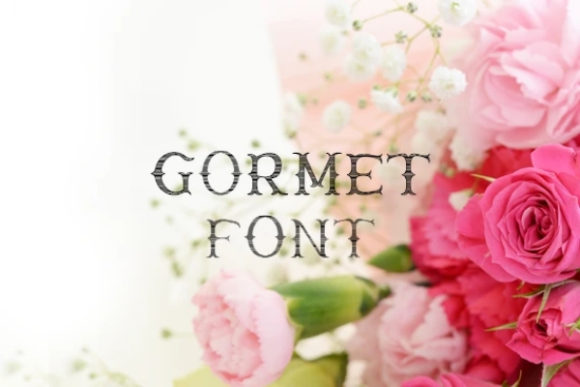
When it comes to typography, the right font can make all the difference. Gormet is a playful display font that brings a sense of joy and whimsy to any design. Its childlike charm makes it particularly popular among educators, creators, and parents who are looking to add a touch of fun to kids' projects or school materials.
What Is Gormet?
Gormet is more than just a font—it’s an experience. With its rounded, bouncy letters and cheerful aesthetic, it feels like something you’d find in a children’s book or a classroom poster. It’s designed to be eye-catching and approachable, making it ideal for use in educational settings or creative projects aimed at younger audiences.
Its unique style isn’t just about looks; it also serves a functional purpose. The font is easy to read at a glance, which is especially useful for signage, labels, or any project where quick comprehension is key. Whether you're creating a birthday invitation, a science fair poster, or a learning tool for young students, Gormet can help your message stand out in a friendly and engaging way.
Why People Are Interested in Gormet
Many people are drawn to Gormet because of its versatility and visual appeal. It works well across different mediums—print, digital, and even hand-drawn designs. For educators, it can be a great tool to make learning materials more engaging. For small business owners, it adds a personal and playful touch to branding efforts. And for hobbyists, it offers a creative outlet to explore new design ideas.
But with its popularity comes a few common misunderstandings and mistakes that can affect how effectively Gormet is used. Let’s take a closer look at some of these issues and how to avoid them.
Mistakes to Avoid When Using Gormet
While Gormet is a fantastic choice for many projects, there are a few pitfalls that users should be aware of. One common mistake is using it for long blocks of text. Because it's a display font, it’s not meant for extended reading. If you try to use Gormet for a full article or a lengthy report, it can become difficult to follow and may reduce readability.
Another issue is overusing the font without considering the context. While Gormet is perfect for headlines, titles, or short phrases, it might not be suitable for all parts of a design. Mixing it with too many other fonts can create visual clutter and distract from the main message.
Additionally, some users may overlook the importance of proper licensing when using Gormet in commercial projects. Not all fonts are free to use, and using an unlicensed version can lead to legal issues. Always check the font’s license agreement before using it for anything beyond personal or non-commercial purposes.
How These Mistakes Can Affect Your Work
The consequences of using Gormet incorrectly can vary depending on the project. For example, if you use it for long paragraphs, your audience may lose interest quickly. In a school setting, this could mean that students don’t engage with the material as much as they should. In a marketing context, it might result in a less professional appearance that fails to capture attention.
Similarly, mixing Gormet with too many other fonts can create a confusing visual hierarchy. This can make it harder for readers to focus on the most important information. In a classroom setting, this could lead to confusion among students, while in a business context, it might make your brand appear less cohesive.
Licensing issues can also have serious repercussions. If you’re using Gormet for a product that will be sold or distributed, using an unlicensed version could result in fines or damage to your reputation. Always ensure that you have the appropriate rights before using the font in any commercial capacity.
Practical Tips for Using Gormet Effectively
To get the most out of Gormet, start by understanding its strengths and limitations. Use it for headlines, titles, and short phrases rather than large blocks of text. This will help maintain readability while still allowing the font’s playful nature to shine through.
When designing with Gormet, consider pairing it with a more traditional serif or sans-serif font for body text. This creates a balanced look and ensures that your message remains clear and easy to read. For example, you might use Gormet for a title and a clean, modern font for the content beneath it.
Always verify the font’s license before using it in any project. Most font providers offer both free and paid versions, so be sure to choose the one that fits your needs and budget. If you’re unsure, reach out to the font’s creator or check their official website for details.
Finally, test your design with real users or colleagues. Ask for feedback on whether the font enhances the overall message or if it distracts from it. This can help you identify any issues early on and make adjustments before finalizing your work.
Before You Decide: What to Check
Before committing to Gormet, there are a few things to consider. First, assess the purpose of your project. Is it meant to be visually engaging, or does it require clarity and professionalism? Gormet is best suited for projects that benefit from a playful and approachable tone.
Next, evaluate your target audience. If your audience includes children or young learners, Gormet can be a great fit. However, if your audience is more mature or professional, you may want to opt for a more neutral font.
Finally, review the font’s licensing terms carefully. Make sure you understand how it can be used and what restrictions apply. This will help you avoid any potential legal issues down the line.
By taking these steps, you can ensure that Gormet is used in a way that enhances your project rather than detracts from it. With the right approach, this playful font can bring a smile to anyone who sees it—and that’s a powerful thing.