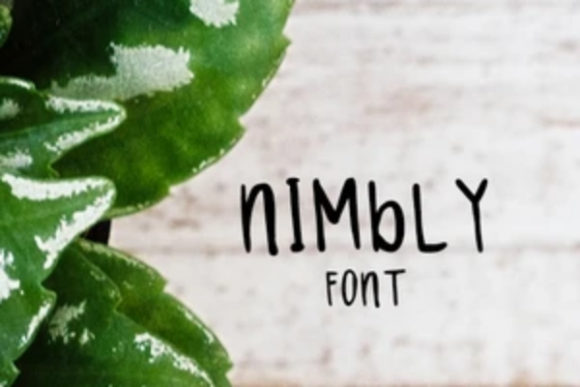
Nimbly: A Friendly Display Font for Creative Expression
Nimbly is a display font that brings warmth and approachability to any design project. With its soft curves and playful character, it’s designed to feel like a conversation with the viewer rather than a cold, distant message. Whether you're crafting content for social media, creating signage, or working on a DIY project, Nimbly offers a unique visual identity that can elevate your creative output.
What Makes Nimbly Stand Out?
At first glance, Nimbly appears to be a simple, rounded font. But upon closer inspection, its design reveals thoughtful details that make it more than just a pretty face. The font's structure is built around a consistent rhythm, which gives it a sense of balance and readability even in larger sizes. This makes it particularly well-suited for display purposes where clarity and impact are both important.
One of the most distinctive features of Nimbly is its friendly aesthetic. The gentle curves and soft transitions between letters create a feeling of approachability and trust. This is especially valuable in branding and marketing contexts where the tone of the message plays a crucial role in engaging the audience.
Another key aspect of Nimbly is its versatility. While it's primarily designed as a display font, it performs well in a variety of applications. From social media posts to handmade signs, Nimbly adapts to different formats and environments without losing its character. This flexibility makes it a popular choice among designers who want a single font that can handle multiple tasks.
Comparing Nimbly to Similar Options
When considering display fonts, there are several options available that may seem similar to Nimbly. For instance, fonts like Bubblegum Sans and Circular Std also have a rounded, friendly appearance. However, each of these fonts has its own unique characteristics that set them apart from Nimbly.
Bubblegum Sans, for example, is known for its exaggerated, cartoonish style that leans heavily into whimsy. While this can be effective for certain projects, it may not always align with the more subtle, approachable tone of Nimbly. Circular Std, on the other hand, is a more traditional sans-serif font that prioritizes modernity and simplicity. It lacks the warm, inviting feel that Nimbly brings to the table.
These comparisons highlight how Nimbly occupies a specific niche within the display font category. It’s not about being the most stylized or the most minimal—it’s about creating a connection through its friendly and inviting design.
Strengths and Tradeoffs
Like any font, Nimbly has its strengths and limitations. One of its greatest strengths is its readability at larger sizes. This makes it ideal for headlines, banners, and other elements where visual impact is key. Additionally, its clean lines and balanced proportions contribute to an overall sense of professionalism, even in more casual settings.
However, there are situations where Nimbly may not be the best choice. For instance, when designing for small screens or in environments where legibility is paramount, a more structured font might be preferable. Nimbly’s rounded edges can sometimes make it less suitable for technical or formal documents where precision and clarity are essential.
Another tradeoff to consider is its use in long-form text. While Nimbly works well for short phrases and headings, it’s not recommended for extended paragraphs. Its design is optimized for impact rather than sustained reading, which means it should be used strategically to maintain visual harmony across a design.
Best-Fit Situations for Nimbly
Nimbly shines in scenarios where a friendly, approachable tone is needed. Social media content, such as Instagram captions or Facebook posts, often benefits from a font that feels personal and engaging. Nimbly’s design encourages interaction and can help build a stronger connection between the brand and its audience.
DIY projects are another area where Nimbly excels. Whether it's for handmade cards, greeting signs, or decorative labels, the font adds a touch of charm that complements the creative nature of these endeavors. Its adaptability also makes it a great fit for custom packaging or promotional materials that require a distinctive visual identity.
In addition to these uses, Nimbly can be a valuable asset in event planning or retail environments. For example, it could be used for signage at a local market, a community event, or a boutique store. The font’s welcoming presence helps create a positive first impression, which is especially important in customer-facing spaces.
Alternatives to Consider
While Nimbly is a strong option for many design needs, there are other fonts that may better suit specific projects. For instance, if you’re looking for a more modern and geometric style, Montserrat or Roboto might be better choices. These fonts offer a clean, professional look that’s well-suited for digital platforms and business-related content.
If the goal is to create a more playful or whimsical effect, then fonts like Pacifico or Quicksand could be worth exploring. These options provide a different kind of visual energy that might align more closely with the intended message or brand personality.
Ultimately, the decision between Nimbly and its alternatives depends on the specific requirements of the project. It’s important to evaluate factors such as the target audience, the purpose of the design, and the overall tone that needs to be conveyed.
Making an Informed Decision
Choosing the right font can significantly impact the success of a design project. When evaluating options like Nimbly, it’s essential to consider not only its visual appeal but also its practical applications. Think about how the font will be used—will it be part of a logo, a website, or a physical sign? Will it be seen up close or from a distance?
Also, consider the broader context in which the font will appear. Does the design need to convey professionalism, creativity, or something in between? Nimbly is best suited for projects that require a friendly, approachable feel. If that’s not the desired outcome, then exploring other options may be necessary.
Testing the font in different formats and environments can also help determine whether it’s the right fit. Previewing how it looks in various sizes, colors, and backgrounds can reveal potential issues or unexpected effects. This hands-on approach ensures that the final design meets both aesthetic and functional goals.
By carefully evaluating the strengths, limitations, and appropriate use cases for Nimbly, designers can make a more informed decision that aligns with their creative vision and project requirements.