Alarm: A Versatile Font with a Distinctive Aesthetic
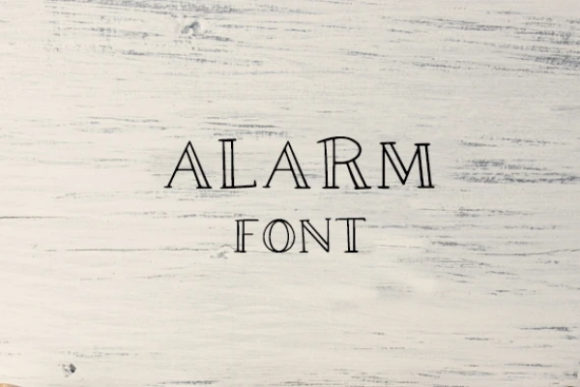
When it comes to typography, the right choice can make all the difference in how a message is perceived. Alarm is a font that stands out for its unique blend of traditional and contemporary elements. Designed with a focus on elegance and balance, Alarm offers a refined visual experience that’s both subtle and striking. Its Latin details are carefully crafted to maintain a sense of heritage while adapting to modern design needs.
The Unique Characteristics of Alarm
Alarm is more than just a stylish font—it’s a thoughtful design that balances form and function. One of its defining features is its distinctive contrast between thick and thin strokes, which adds depth and character to any text. This contrast helps the font remain legible even at smaller sizes, making it suitable for a wide range of applications.
The Latin characters in Alarm are meticulously designed to reflect traditional influences while maintaining a clean, contemporary feel. This makes the font versatile enough to work across different mediums, from print to digital interfaces. Whether used in branding, web design, or editorial content, Alarm provides a consistent and professional appearance.
What sets Alarm apart is its ability to maintain readability without sacrificing style. Unlike some fonts that become difficult to read at smaller sizes, Alarm’s structure ensures clarity and ease of use. This makes it an excellent choice for both short texts and longer documents, where legibility is essential.
How Does Alarm Compare to Other Fonts?
When evaluating fonts, it’s important to consider how they fit into the broader typographic landscape. Alarm shares some similarities with other elegant sans-serif fonts, but it distinguishes itself through its unique combination of detail and simplicity.
For instance, compared to fonts like Helvetica or Arial, Alarm offers a more refined aesthetic. While these fonts are widely used for their neutrality and versatility, they often lack the subtle character that Alarm brings to the table. On the other hand, fonts like Playfair Display or Belleza are more ornate and may not suit every design context as well as Alarm does.
Alarm also holds its own against more decorative fonts such as Courier Prime or Didot. These fonts often prioritize visual flair over practicality, which can make them less suitable for everyday use. Alarm strikes a middle ground, offering a level of sophistication without compromising on usability.
In terms of weight and spacing, Alarm is designed to be adaptable. It performs well in both light and bold variations, allowing designers to create dynamic compositions without losing clarity. This flexibility is a key strength when working with different design formats, from logos to body text.
Strengths and Limitations of Alarm
Like any font, Alarm has its strengths and limitations. One of its greatest advantages is its versatility. It can be used in a variety of contexts, from minimalist designs to more complex layouts. The font’s balanced proportions and clean lines make it ideal for both headings and body text, ensuring a cohesive visual experience.
Another benefit of Alarm is its adaptability to different color schemes. Whether used in a monochrome palette or paired with vibrant colors, the font maintains its integrity and readability. This makes it a great option for designers looking to create visually engaging content without sacrificing legibility.
However, there are situations where Alarm may not be the best choice. For example, in highly formal or academic settings, some may prefer a more traditional serif font for its classic appeal. Additionally, in very small text sizes, the font’s intricate details could potentially affect readability, though this is rare and typically manageable with proper formatting.
When to Choose Alarm
Alarm is an excellent choice for designers who want a font that is both elegant and functional. It works particularly well in environments where a subtle yet distinctive look is desired. This includes branding materials, product packaging, and website headers.
One practical application of Alarm is in logo design. Its clean lines and balanced structure make it an ideal candidate for creating memorable brand identities. It can also be used effectively in marketing collateral, such as brochures, flyers, and social media graphics.
For digital use, Alarm is well-suited for websites and apps that require a modern yet refined appearance. Its performance across different screen sizes and resolutions ensures that it remains legible and visually appealing in various contexts.
Alternatives to Consider
While Alarm is a strong option in many scenarios, there are other fonts that may be more appropriate depending on the specific needs of a project. For instance, if a more traditional or decorative look is required, fonts like Times New Roman or Garamond might be better suited. These fonts are often preferred in formal writing and publishing.
On the other hand, if a more modern and minimalistic approach is needed, fonts like Montserrat or Roboto offer similar benefits. These fonts are known for their clean, geometric shapes and high readability, making them popular choices in digital design.
Ultimately, the decision between Alarm and its alternatives depends on the specific requirements of the project. Factors such as the intended audience, the purpose of the design, and the overall aesthetic should all be considered when selecting the most appropriate font.
Making an Informed Choice
Choosing the right font involves more than just aesthetics—it requires careful consideration of functionality, readability, and compatibility. Alarm is a font that excels in balancing these factors, making it a reliable choice for a wide range of applications.
Designers should evaluate their projects based on the specific needs of the audience and the environment in which the font will be used. If a subtle, elegant look is desired with a strong emphasis on readability and versatility, Alarm is an excellent option. However, if a more traditional or highly stylized font is needed, alternative options should be explored.
By understanding the strengths and limitations of Alarm, as well as its place within the broader typographic landscape, designers can make informed decisions that enhance the overall effectiveness of their work.