Monly: A Versatile Font for Modern Design
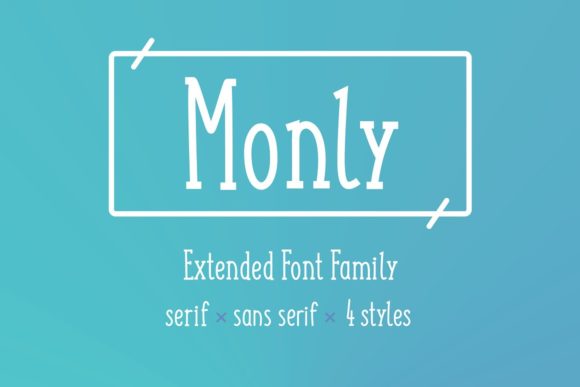
Monly is a playful and simple display font that offers both serif and sans serif styles, making it a versatile choice for designers looking to add a modern touch to their projects. Its unique blend of smooth curves and sharp edges creates a visually appealing contrast that can enhance any design. Whether you're working on branding materials, website headers, or creative layouts, Monly provides a fresh and engaging visual identity.
Why Monly Might Interest You
If you're in the market for a font that balances charm with functionality, Monly could be the perfect fit. Its playful nature makes it ideal for use in creative industries such as graphic design, marketing, and digital media. The availability of both serif and sans serif versions gives you flexibility in choosing the right style for different applications.
One of the key reasons people are drawn to Monly is its ability to stand out while maintaining readability. In a world where attention spans are short, having a font that captures interest without sacrificing legibility is a significant advantage. This makes Monly particularly useful for headlines, logos, and other prominent text elements.
Benefits of Using Monly
The primary benefit of using Monly is its versatility. The combination of serif and sans serif styles allows for a wide range of design possibilities. Serif fonts often convey tradition and elegance, while sans serif fonts are associated with modernity and simplicity. By offering both, Monly gives designers the freedom to choose based on the context and audience.
Another advantage is its clean and balanced design. The font's structure ensures that it remains readable even at smaller sizes, which is crucial for digital content. This readability combined with its aesthetic appeal makes Monly suitable for both print and screen-based projects.
Monly also supports multiple languages, making it a great option for international designs. Its character set includes support for a variety of scripts, which can be beneficial for global branding efforts.
Considerations and Tradeoffs
While Monly has many strengths, there are a few considerations to keep in mind. As a display font, it may not be the best choice for long-form text due to its stylized appearance. It's designed to grab attention rather than support extended reading sessions, so it's important to use it strategically.
Additionally, the playful nature of Monly may not align with all design aesthetics. If your project requires a more formal or professional look, you might want to explore other font options that better match your brand's tone and message.
Situations Where Monly Excels
Monly shines in situations where a distinctive and eye-catching font is needed. It works exceptionally well for posters, social media graphics, and branding materials that aim to make an impact. Its bold and modern appearance can help differentiate your brand from competitors.
The font is also well-suited for websites and digital platforms that require a strong visual identity. When used in headers or call-to-action buttons, Monly can draw users' attention and encourage engagement.
When to Consider Alternatives
While Monly is a fantastic choice for many design scenarios, there are instances where alternatives may be more appropriate. For example, if you need a font that prioritizes readability over style, consider using a more traditional sans serif or serif font. Fonts like Arial, Times New Roman, or Georgia offer a reliable and consistent look that is ideal for long-form content.
For projects requiring a more professional or classic feel, Monly might not be the best fit. In such cases, exploring fonts like Playfair Display or Merriweather could provide a more refined and elegant solution.
Making the Right Choice
When deciding whether to use Monly, it's essential to evaluate your project's goals and audience. Consider the purpose of the text, the platform it will be used on, and the overall design direction. If your goal is to create a memorable and engaging visual experience, Monly could be an excellent choice.
However, if your focus is on clarity, professionalism, or consistency, you might want to explore other font options that better align with these priorities. Ultimately, the decision should be based on what best serves your design needs and communication objectives.