Halubert: A Simple and Versatile Display Font for Modern Design
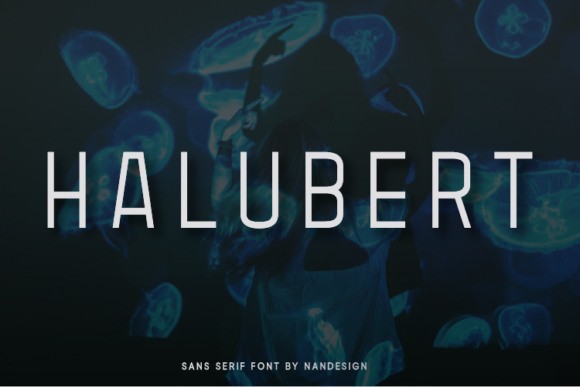
Halubert is a modern display font that combines simplicity with elegance, making it a versatile choice for designers seeking a clean and approachable typeface. With its neat letterforms and balanced proportions, Halubert offers a fresh aesthetic that works well in both formal and informal contexts. Whether you're designing a website, a logo, or a print layout, understanding the strengths and limitations of Halubert can help you decide if it's the right fit for your project.
What Is Halubert?
Halubert is a display font, which means it’s designed to be used in larger sizes, often for headings or titles. Its design is rooted in minimalism, with clear lines and consistent spacing that make it easy to read even at smaller sizes. The font features a friendly and approachable style, with subtle curves and rounded edges that give it a warm, inviting feel.
The name “Halubert” suggests a blend of simplicity and character, and that’s exactly what the font delivers. It avoids unnecessary embellishments, focusing instead on clarity and readability. This makes it an excellent choice for projects where visual hierarchy and legibility are important.
Why Would Someone Be Interested in Halubert?
Designers might be drawn to Halubert for several reasons. First, its clean appearance makes it ideal for branding projects that require a modern and professional look. Second, the font’s versatility allows it to adapt to various design scenarios, from digital interfaces to printed materials.
Additionally, Halubert’s neutral tone means it doesn’t compete with the content it accompanies. This is especially useful in situations where the message needs to take center stage, such as in marketing materials or informational graphics.
Benefits of Using Halubert
- Clean and modern design: Halubert’s straightforward structure ensures it looks contemporary without being too flashy.
- High readability: Even when used in smaller sizes, the font remains legible, making it suitable for a wide range of applications.
- Strong visual appeal: The font’s elegant curves and consistent spacing contribute to a visually pleasing design.
- Adaptable to different contexts: Whether used in a logo, a website header, or a poster, Halubert maintains its integrity across formats.
Considerations and Tradeoffs
While Halubert has many advantages, it’s not without its limitations. As a display font, it may not be the best choice for long-form text. Its stylized appearance can sometimes make it less suitable for body copy, where a more traditional serif or sans-serif font might be better.
Another consideration is the font’s limited character set. While it includes the basic Latin alphabet, it may lack support for certain special characters or diacritics, which could be a drawback for multilingual projects.
Additionally, because Halubert is a relatively new font, it may not have the same level of customization or integration options as more established typefaces. This could be a factor for designers who rely on advanced typography tools or need specific formatting capabilities.
Situations Where Halubert Excels
Halubert shines in situations where a clean, modern look is needed. It’s particularly effective in branding and logo design, where a strong visual identity is crucial. Its simplicity also makes it a great choice for web design, especially for headers, buttons, and call-to-action elements.
It can also work well in editorial layouts, such as magazine covers or book titles, where the font needs to stand out while maintaining readability. In digital environments, Halubert’s clean lines and open spacing ensure it performs well on screens, even at lower resolutions.
When to Consider Alternatives
If your project requires a more traditional or decorative look, alternatives like Playfair Display or Didact Gothic might be better suited. These fonts offer more ornate details and can add a sense of sophistication or historical context.
For body text or longer passages, consider using a more readable serif or sans-serif font like Roboto or Open Sans. These fonts are designed for extended use and provide better line spacing and character balance.
Additionally, if your project involves multiple languages or special characters, you may want to explore fonts that offer broader language support, such as Inter or Barlow.
Practical Decision-Making Insights
When deciding whether to use Halubert, start by considering the purpose of your design. If you need a bold, eye-catching font for headlines or logos, Halubert is a strong contender. However, if your project involves extensive text or requires multilingual support, you may want to look for other options.
It’s also worth testing the font in different contexts to see how it performs. Try using it in both digital and print formats, and assess its readability at various sizes. This will give you a clearer idea of whether Halubert meets your needs.
Ultimately, the key to choosing the right font lies in aligning it with your goals. Halubert is a great option for those looking for a simple, modern, and versatile display font. But it’s important to weigh its benefits against its limitations and consider whether it fits within the broader design strategy.