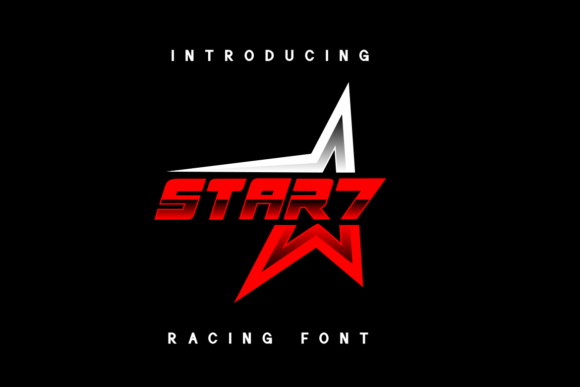
Sport Font: A Modern Display Typeface for Bold Visual Impact
Font choices can make or break the visual appeal of your designs, and Sport stands out as a powerful option for those looking to create dynamic, eye-catching content. With its urban style and strong, modern display characteristics, Sport is ideal for headlines, posters, flyers, and more. However, many designers and creators may not fully understand how to use this font effectively—or may fall into common pitfalls that diminish its impact. In this guide, we’ll explore what Sport is, why it’s popular, and how to avoid mistakes when using it in your projects.
What Is Sport Font?
Sport is a display font designed with bold, geometric shapes and a clean, contemporary look. It features sharp angles, thick strokes, and a high contrast between thick and thin lines, giving it an athletic, energetic feel. This makes it especially well-suited for sports-related themes, but its versatility also allows it to work in other contexts like fashion, technology, and lifestyle branding.
The font’s urban style draws inspiration from street art and modern typography trends, making it a favorite among graphic designers, marketers, and content creators who want to convey strength, movement, and confidence through their visuals.
Why People Choose Sport Font
Designers are drawn to Sport for several reasons:
- Versatility: While it excels in headlines and banners, it can also be used creatively in body text if scaled appropriately.
- Strong Visual Identity: The font’s bold design helps grab attention and reinforces brand messaging.
- Modern Aesthetic: Its clean, geometric lines align with current design trends, making it suitable for both digital and print media.
Despite these benefits, there are common mistakes that can prevent Sport from reaching its full potential in a design project.
Common Mistakes When Using Sport Font
While Sport is a powerful tool, using it incorrectly can lead to poor readability, unbalanced layouts, or a mismatch with the intended message.
Mistake 1: Overusing It in Body Text
One of the most frequent errors is using Sport for long paragraphs or body text. Because it’s a display font, it lacks the legibility needed for extended reading. This can cause eye strain and reduce the overall effectiveness of the message being communicated.
Better Approach: Reserve Sport for headlines, subheadings, or short bursts of text. Pair it with a more readable sans-serif or serif font for body copy to maintain balance and clarity.
Mistake 2: Ignoring Spacing and Kerning
Sport has wide characters and heavy strokes, which can make spacing and kerning critical. If not adjusted properly, words may appear too cramped or spaced out, leading to an unprofessional appearance.
Better Approach: Always check the spacing between letters and words when using Sport. Use typography tools or software features that allow for manual kerning to fine-tune the layout and ensure a polished result.
Mistake 3: Mismatching with Other Fonts
Using Sport alongside fonts that are too similar in style can create visual clutter. Similarly, pairing it with overly decorative or contrasting fonts can disrupt the overall design flow.
Better Approach: Stick to a cohesive font pair—such as a complementary sans-serif or a minimalist serif font—to keep the design clean and focused. Test different combinations before finalizing your design.
Mistake 4: Not Considering Color Contrast
The bold nature of Sport means it works best with high-contrast color combinations. Using it on light backgrounds with light-colored text can make it nearly invisible, reducing its visual impact.
Better Approach: Ensure that the background and text colors provide enough contrast. Dark text on a light background or vice versa typically works best for maximum visibility and readability.
What to Check Before Using Sport Font
Before incorporating Sport into your design, consider the following factors to ensure it meets your project’s needs:
- Purpose: Is Sport the right choice for your message? Does it align with the tone and theme of your content?
- Legibility: Will the font remain readable at the intended size and placement? Test it across different devices and screen sizes.
- License: Make sure you have the appropriate license to use Sport in your project, especially if it's for commercial purposes.
- Compatibility: Does Sport work well with your design software or platform? Some fonts may not render correctly on all systems.
Real-World Examples of Sport Font in Action
Imagine a sports apparel brand launching a new line of activewear. Using Sport in the headline of their promotional poster instantly communicates energy and strength. The font’s boldness reinforces the brand’s identity while drawing attention to key messages.
In another example, a tech startup might use Sport for a product launch banner. The modern, clean look of the font supports the brand’s innovative image and ensures the headline stands out against a busy website background.
Conclusion
Sport is a versatile and impactful font that can elevate the visual appeal of your designs when used correctly. By avoiding common mistakes like overuse, poor spacing, and incorrect font pairings, you can ensure that Sport enhances rather than detracts from your message. Always test your designs, consider the context, and choose the right combination of fonts and colors to achieve the best results. With thoughtful application, Sport can become a valuable asset in your creative toolkit.